• Please note that there are a few updates and clarifications made in the Audiokarma Rules, mostly relating to advertising and the addition of the new "Paying it Forward" & "Giving back" forums in the AudioKarma Audio Marketplace section.

Fixing the joints in a speaker cabinet

Audi0

Super Member
Before I write this yes the woofer has been refoamed on both and for sure 100% it's the cabinet.

On one of my cerwin vega d7 speakers one has developed a cabinet vibration. The easiest route to solve this would be dropping a bead of glue on the inner joints. However I am wondering is there a go to product that people use on here. (Like the Allen's glue for refoaming).

Whatever product I use has to leave a bead behind and not dry up to nothing.
Suggestions?
 
Register to hide this ad
What about adding some kind of internal brace?
This is the correct answer.

Unless the gap is huge, you won't be able to wick much into it. Certainly not enough to actually strengthen the joint. a brace from the inside along that seam is the way. Use actual wood glue (love aileens, but not for this).

If one whole seam has failed, you may want to consider bracing the others while in there.
 
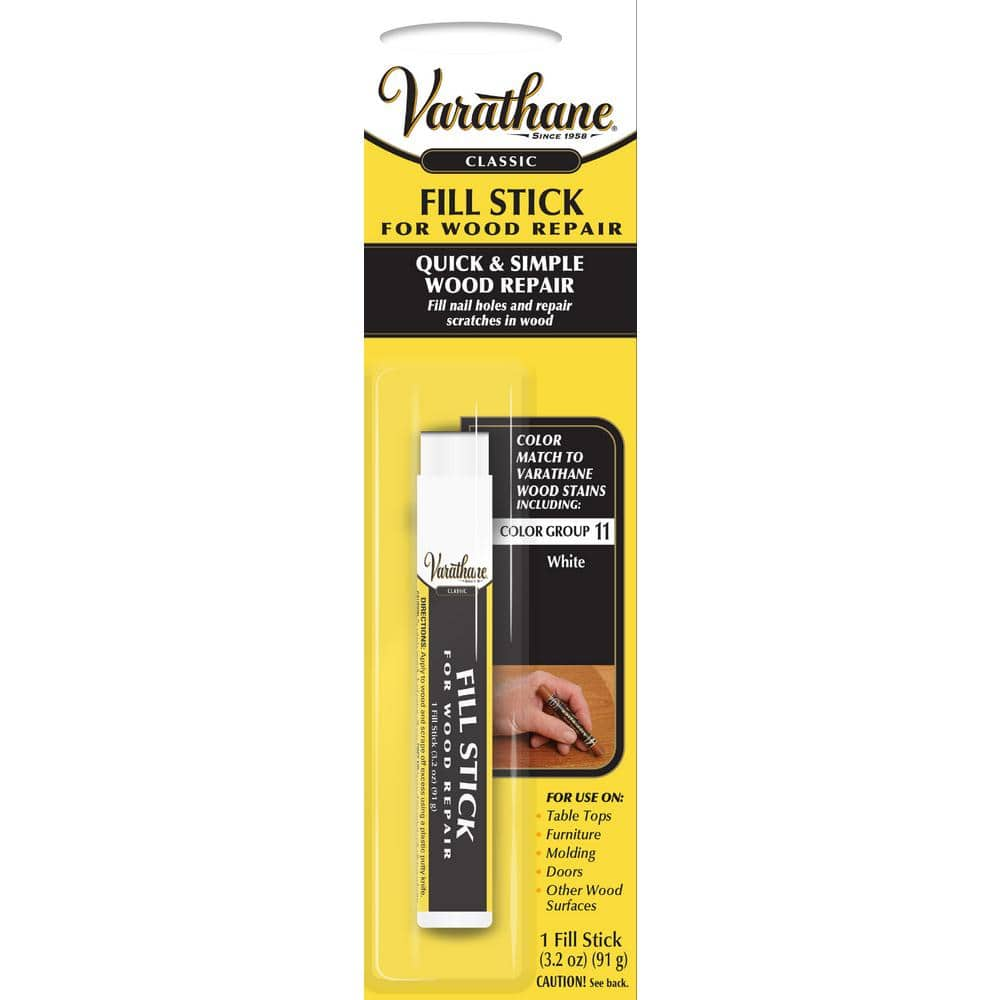
Reinforcing the seam from the inside of the cabinet with a strip of 3/4" square wood glued in the corner liberally with yellow carpenter's glue would be a good solution. From the outside fill the gap with matching color putty sticks like these:
 
It appears some are not familiar with construction adhesives. It will wick into a gap when pressed into it and it will harden to strengthen the joint.

A wax stick (it's not putty) such as the linked example is not meant to fill seam gaps.
 
I've had good results using liquid nails for speaker cab repairs..the kind in a caulking tube..thicker than wood glue & good for filling gaps
 
It appears some are not familiar with construction adhesives. It will wick into a gap when pressed into it and it will harden to strengthen the joint.

A wax stick (it's not putty) such as the linked example is not meant to fill seam gaps.
The op does not appear to have a gap, which is why they are asking about interior gluing.

You absolutely won't get any construction adhesive to wick into a seam you can't even see...
 
It appears some are not familiar with construction adhesives. It will wick into a gap when pressed into it and it will harden to strengthen the joint.

A wax stick (it's not putty) such as the linked example is not meant to fill seam gaps.
If a crack is small, it's effective at filling and disguising small dents and cracks. I just used some on a kitchen cabinet yesterday. It's not an adhesive. Never implied it was.
 
The op does not appear to have a gap, which is why they are asking about interior gluing.

You absolutely won't get any construction adhesive to wick into a seam you can't even see...

Woodworking superglue- the medium or thick viscosity- will absolutely wick into a gap like that. If there's ANY space at all, it will flow into it. The medium stuff is almost a thin as water. I tend to use the thick stuff (CPS or about 320 or so), as it still flows into small crevices, but doesn't just run out everywhere like the medium stuff can.

From the inside- just place the cabinet where the loose joint is facing downward, from the inside (so that gravity will pull the glue down into the gap)- then just flow the glue into it. Let it flow out for a minute or two, then harden it with spray activator. It will be a permanent joint. I've fixed innumerable cabinets with loose panels and joints this way- and these are pro-audio cabinets, that are carried and banged around all the time. If it will hold permanently there- a home audio cabinet is the proverbial walk in the park...

Regards,
Gordon.
 
My experience is that some of the CVs I've had have the cheapest construction I've ever seen - I know this will aggravate some people, but it is true. The two or three examples of the HED series I've had were held together with a single bead of hot melt glue along the seams. If you hit the enclosure hard, there was a good chance the whole thing would fall to pieces - this happened more than once to me. The D series were somewhat more substantial, but they were also bigger, so braces seem to me to be worth considering.
For what it is worth, I don't remember many posts about cabinet vibration - resonances, sure - but this might require more than seeping in.
 
My experience is that some of the CVs I've had have the cheapest construction I've ever seen - I know this will aggravate some people, but it is true. The two or three examples of the HED series I've had were held together with a single bead of hot melt glue along the seams. If you hit the enclosure hard, there was a good chance the whole thing would fall to pieces - this happened more than once to me. The D series were somewhat more substantial, but they were also bigger, so braces seem to me to be worth considering.
For what it is worth, I don't remember many posts about cabinet vibration - resonances, sure - but this might require more than seeping in.
Agreed, I've found terrible glue\joins in Klipsch\CV\KLH\Marantz speakers. I just grab some wood scraps and glue and stiffen those dingin' cabinets up.
 

Attachments

  • PXL_20240228_181342033.jpg
    PXL_20240228_181342033.jpg
    140.2 KB · Views: 19
It appears some are not familiar with construction adhesives.
It also appears that some will make suggestions without knowing the full extent of the problem

it could very well be a bad capacitor in which case construction adhesive will only work if the bad cap is completely unraveled and a thin layer of the stuff is spread across the dialectic and then rolled back into shape.....:biggrin:
 
Last edited:
On refoam and recap i found originally it had 3 braces per cabinet. 1 was missing the rest were loose. Suggesting someone chucked one in the past. So I reglued 2 per side. However the cabinet ring can be stopped by pressing down on cabinet with 1 finger(with frequency test). No visible damage.

This next part is controversial but yes the build quality of cv is not the best. Really cheesy construction at certain parts.

I have some PL construction adheasive. I was leaning towards that. The top and bottom of both back and front panels have a gap there where there join. Not at the sides though. That's what my attack plan was jam some glue down like a bead of silicone (not using silicone). Then make up 2 new braces.
 
I have some PL construction adheasive.
I'm not sure what "PL" construction adhesive is but before you make a mess smearing whatever glue you decide to use on the interior of the enclosures, make sure it will adhere to it.

Just do a test in one of the inside corners that is easily accessible, (I'm guessing this has to be done thru the woofer cut-out), let it setup for 24 hours and see if it will peal off like tape. If it does, then use tried and true white or yellow wood glue as others have suggested.


Applying wood glue to corner blocks is a much better method of securing two perpendicular panels together. You'll get a better bond with more surface contact. I've never seen ready made corner blocks but you can use clear pine trim strips available at any lumber yardtitebond.jpgcorner cove.jpg
 
Last edited:
Keep in mind that glueing wood strips to the inside corners, although very effective, need to be secured in place until the glue sets up which is about 15-30 minutes depending on humidity (24 hours to be fully cured).

Another method of glueing wood corner blocks is to use a "contact adhesive". Apply glue to both surfaces, allow glue to tack-up and then attach the blocks. No need to secure them since the contact is immediate. This requires a little practice because once set, it's almost impossible to reposition the blocks.

ww_contactcement_3ozbottle_00107.jpg
 
Keep in mind that glueing wood strips to the inside corners, although very effective, need to be secured in place until the glue sets up which is about 15-30 minutes depending on humidity (24 hours to be fully cured).

Another method of glueing wood corner blocks is to use a "contact adhesive". Apply glue to both surfaces, allow glue to tack-up and then attach the blocks. No need to secure them since the contact is immediate. This requires a little practice because once set, it's almost impossible to reposition the blocks.

View attachment 3240962
And since you're trying to not touch two sides of a 90° angle, it's also virtually impossible to set them both tight at the same time... so much fun.

For doubling up panels I love this stuff. And I need to look into the stuff @GordonW mentioned. Last time I tried that I made such a mess.

Most mass production boxes seem to suffer from insufficient gluing. Seems any time I come across an 80s or newer cabinet I end up breaking it down and rebuilding it. Literally every sony cabinet I've seen i pulled apart with my bare hands. The results are always worthwhile. You can dress the corners and make it all line up nicely, and clamp and glue...
 
Back
Top Bottom